
Running in the 1990s wasn’t just exercise. It was a whole mood. running was neon windbreakers flapping in the breeze, sneakers squeaking against freshly paved streets, and the bass of a hip-hop mixtape rattling inside a chunky Walkman clipped to your shorts. It was half discipline, half rebellion. For millennials who lived it, running was suddenly everywhere—no longer a niche sport, but a lifestyle. For Gen Z, the aesthetic of 90s running now feels retro-cool, sitting alongside vinyl records, Y2K outfits, and Polaroid cameras as symbols of a freer, weirder time.
The 90s as a decade was messy, colorful, experimental—exactly the way running culture looked. It was Nike commercials featuring fluorescent gear, marathons that resembled block parties, and suburban kids jogging while balancing Discmans on their belts like badges of honor. Running crossed boundaries: it was sport, but it was also community, fashion, and self-expression.
So let’s take this run together, not in a rush like a race, but more like a casual weekend jog—stopping to admire the culture, the sneakers, the sounds, and the strange beauty of what it meant to run in the 90s.
The Running Gear Aesthetic

If you ran in the 90s, you know the gear was loud. Subtlety didn’t exist. Windbreakers were all about bold color-blocks—neon greens, purples, oranges—paired with oversized silhouettes. You couldn’t miss a runner on the street; they practically glowed.
Moisture-wicking tech was still in its infancy. That meant cotton tees that clung to your back after the first mile and heavy sweatshirts tied around waists “just in case.” Shorts went to two extremes: ultra-short marathon style or long, basketball-inspired cuts. Crew socks—always white—were pulled high, peeking over chunky sneakers.
And of course, the centerpiece: the sneaker. This was the golden age of running shoes. Nike dropped its legendary Air Max line, Reebok hyped the Pump, Asics launched the Gel-Kayano (still iconic today), and New Balance continued to build a cult following with the 990 series. Runners weren’t just lacing up for performance—they were making fashion statements. Shoes were crossovers: worn casually with jeans, flexed at the mall, and still taken on weekend runs.
Running Culture and Communities
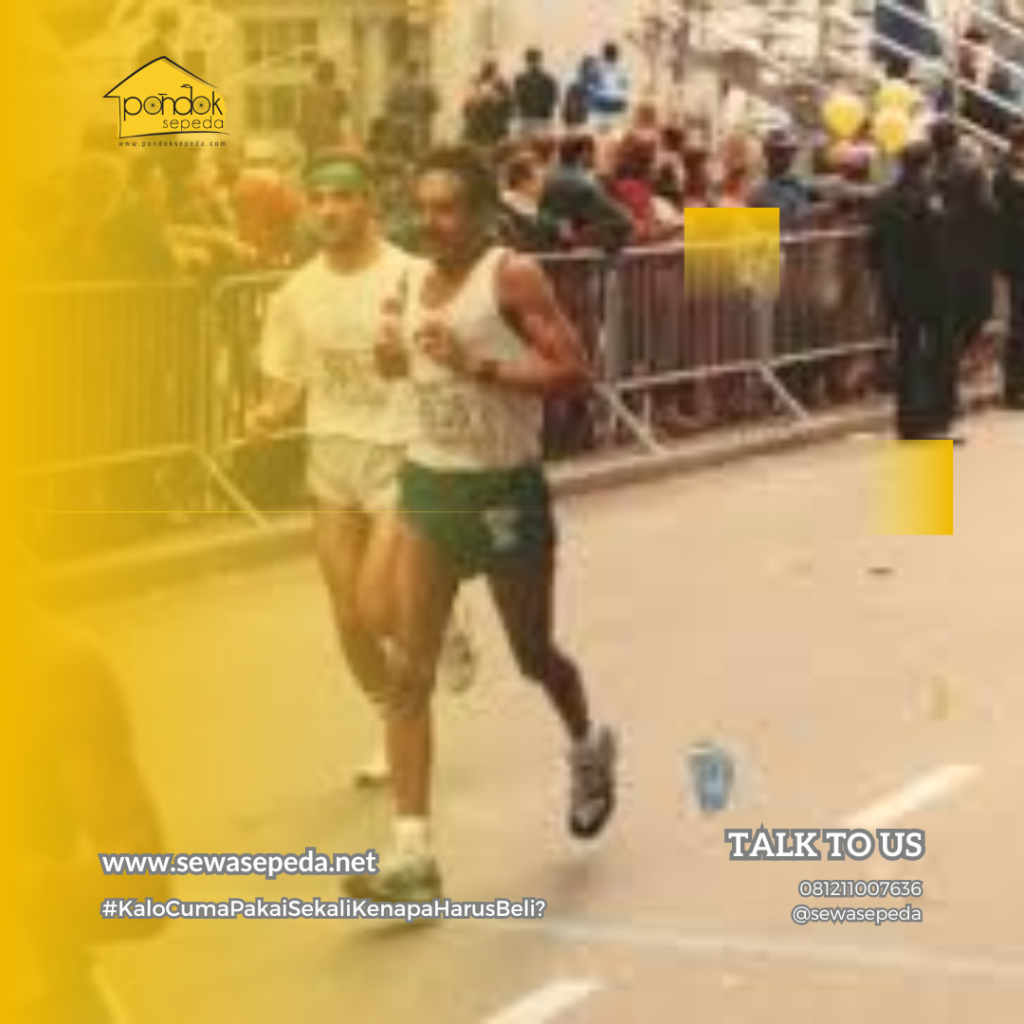
Running in the 90s was becoming more than a solo grind—it was increasingly communal. This was the decade of fun runs, corporate-sponsored 5Ks, and massive charity events. Suddenly, running wasn’t only for competitive athletes; it was for families, office teams, and entire neighborhoods.
Big city marathons—New York, Boston, Chicago, Berlin—turned into media spectacles. Crowds lined the streets, TV broadcasts gave prime-time coverage, and East African athletes, especially from Kenya and Ethiopia, rose as dominant forces, inspiring awe worldwide.
But beyond the elites, local running clubs thrived. Universities hosted training groups, suburban neighborhoods organized weekend jogs, and “couch-to-5K” wasn’t an app yet—it was just groups of friends deciding to run together. With no Strava or Apple Watches, the culture was based on feel. Mileage was tracked with Casio watches or scribbled into journals. There was no digital kudos, just nods and fist-bumps from fellow runners.
Sneakers as Identity

To talk about 90s running is to talk about sneakers. Shoes weren’t just equipment—they were identity.
Nike made cushioning visible with the Air Max, turning technology into style. The Air Max 95 and 97 weren’t just running shoes; they were cultural icons, showing up in music videos, streetwear outfits, and even classrooms. Reebok Pumps gave kids the illusion of high-tech customization, while Adidas Torsion systems offered stability. Asics was quietly building loyalty with its Gel cushioning, loved by marathoners.
Sneakers blurred categories. Were they for sport? Fashion? Both. Wearing the right pair said something about who you were. Running shoes were no longer stuck on tracks—they spilled into skate parks, rap concerts, and everyday life.
This sneaker revolution is why today’s retro market is booming. Millennials are hunting down vintage pairs, while Gen Z pairs 90s running shoes with baggy jeans, thrifted hoodies, and TikTok dances.
Soundtracking the Run

What’s running without music? In the 90s, playlists weren’t curated by algorithms—they were made with love. Runners carried Walkmans loaded with cassette mixtapes, or later, clunky Discmans strapped to their belts. Jogging with a CD player was risky—one misstep and your track would skip—but that made it almost a sport in itself.
The soundtrack defined the vibe. Hip-hop fueled runs with Tupac and Biggie. Grunge kids blasted Nirvana or Pearl Jam. Ravers sprinted to The Prodigy. And pop lovers kept Britney Spears or the Spice Girls on repeat. Every runner had their tape, their CD, their carefully chosen motivation.
Gyms hadn’t yet transformed into screens-and-earbuds environments. Outdoor running was the default. Which meant your music wasn’t just background—it was your rhythm, your companion, the pulse of the road beneath you.
Fashion Meets Function
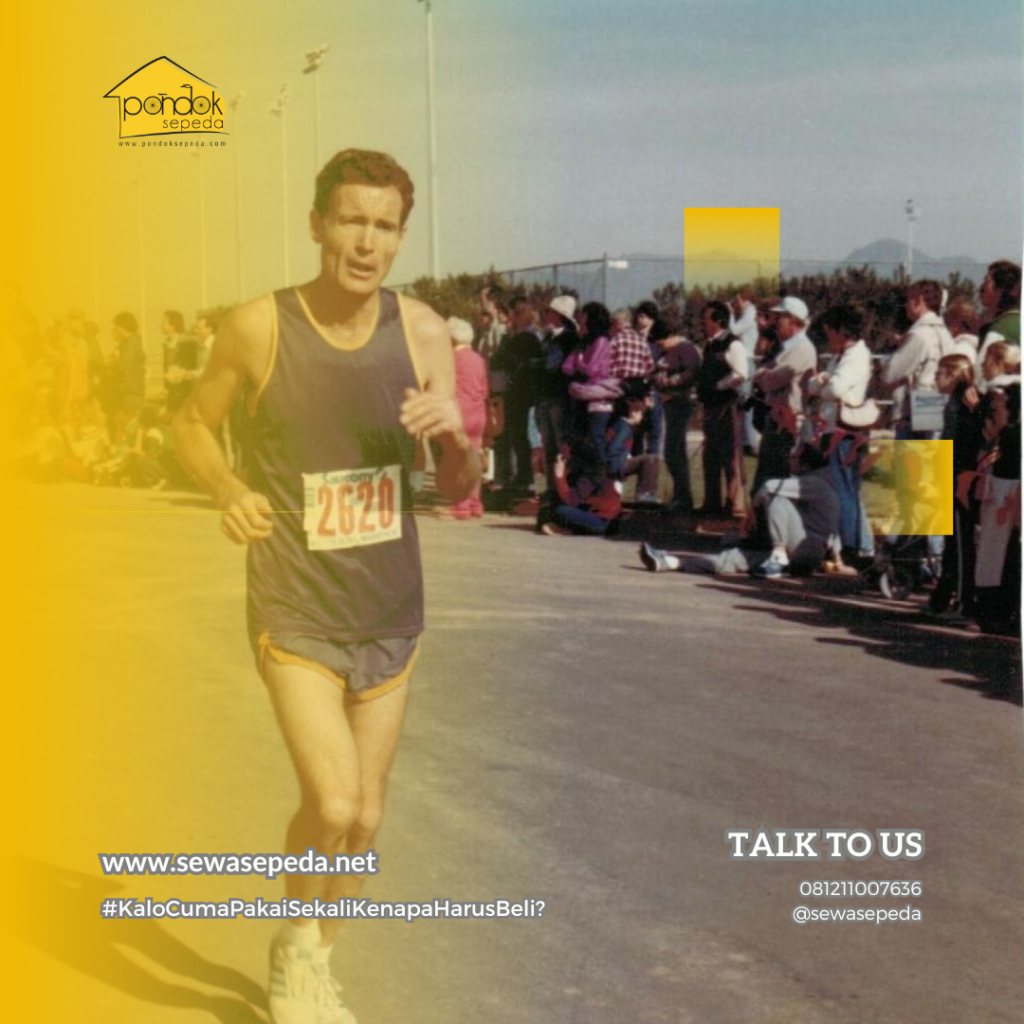
The 90s blurred the line between running gear and everyday style. Tracksuits and windbreakers weren’t confined to workouts—they were worn at school, in malls, on casual nights out. Runners didn’t change out of their clothes after training; they wore them all day.
This crossover was huge for culture. Streetwear borrowed from athletics, and athletics borrowed from fashion. Athletes became style icons, while style kids copied athletic looks. This mashup laid the foundation for the athleisure boom of the 2000s and 2010s.
Today, Gen Z thrift shoppers are obsessed with this look. Baggy shorts, chunky sneakers, bold patterns—it’s all resurfacing. What runners wore out of necessity in the 90s is now carefully curated in vintage shops and Instagram feeds.
Running as Self-Expression
For many, running in the 90s was less about medals and more about self-expression. Teenagers jogged around their neighborhoods blasting alternative rock, rebelling against everything structured. Adults ran before or after work to relieve stress in a decade where corporate hustle and early tech booms defined culture. Communities ran together in remembrance, solidarity, or charity.
Running wasn’t just about performance—it became identity. Saying “I’m a runner” meant something. It shaped what shoes you wore, how you dressed, and even what music you played on repeat.
The Simplicity of Analog Running
One of the most defining aspects of 90s running was what didn’t exist. there’s No GPS watches. No calorie trackers. No leaderboards. Runners relied on feeling, intuition, and discipline.
Training plans came from magazines like Runner’s World or photocopied booklets. Signing up for a race meant mailing in a form and waiting for confirmation. And when you ran, it was just you, your breath, your sneakers, and the road.
In today’s hyper-measured fitness culture, that simplicity feels refreshing. Running was less about data and more about presence. The 90s runner ran not for likes or for watches to validate pace, but because it felt good, because it was freedom.
The legacy of 90s running is everywhere. The sneakers influenced modern sneaker culture. The communities laid the groundwork for today’s running clubs and social groups. The fashion blurred into streetwear, becoming global style.
But more than that, the 90s made running accessible. It wasn’t reserved for elite athletes anymore. Anyone could join: kids, parents, college students, office workers. Running became less about records and more about belonging.
Closing Lap
Running in the 90s wasn’t sleek. Cotton shirts soaked with sweat, sneakers heavier than today’s carbon-plated racers, Walkman batteries dying mid-run. But that’s exactly what gave it soul.
Ask any millennial who jogged back then, and they’ll say: it wasn’t about personal bests or digital kudos. It was about music in your ears, wind in your face, and sneakers pounding pavement with nothing but freedom ahead.
And maybe that’s why Gen Z loves the retro vibe now. Because beneath all the neon, sweat, and clunky gear, the 90s captured something timeless: running isn’t just sport. whteRunning is culture. Running is freedom. Running is vibe.
Wanna Organize a Run That Feels Like the 90s?
Thinking of putting together a run event but don’t know where to start? Let’s bring that retro magic back. From sneakers to playlists to neon vibes, we can help you design a run that’s not just a race, but an experience.
👉 CONTACT US HERE and let’s make it happen.
